Our work spans prevention, protection, and response to violence against women and girls. We collaborate with communities, families, children, schools, civil society actors, and authorities across multiple intervention areas.
Rising Violence Against Women and Girls
Violence against women and girls in Sierra Leone has surpassed the capacity of existing preventive and responsive mechanisms. In 2023, the Sierra Leone police crime statistics recorded 30,491 cases of crime. Violence against women and girls ranked highest, at 10,063. Between 2022 and 2023, a total of 21,679 cases were reported, yet fewer than 8 percent (739 cases) were prosecuted (Sierra Leone Police Crime Statistics Report, 2024). The absence of a forensic lab for DNA testing further limits justice for survivors.
Additionally, 60.8% of women report experiencing intimate partner violence. Thousands more cases go unreported due to widespread culture of silence, stigma and social exclusion.
In schools, 42% of girls report harassment or assault, with 30% of reported rape cases linked to educational settings. Teachers are often the primary perpetrators, using coercion to demand sex from girls in exchange for grades, gifts, or money.
Harmful cultural practices, including as child marriage and female genital mutilation (FGM) remain major drivers of violence and early sexual initiation. Sierra Leone has the 19th highest child marriage rate globally.
Lack of justice and support services for survivors:
Less than 15% of survivors access justice through the courts. The judicial and healthcare systems, and social services remain inaccessible, particularly in rural areas, leaving many survivors without critical support.
Economic Hardship Among Survivors:
Survivors and caregivers of family violence lose essential household income and family support when seeking justice, deepening poverty and vulnerability. This economic hardship perpetuates the cycle of dependence, marginalization, and exposure to further violence.
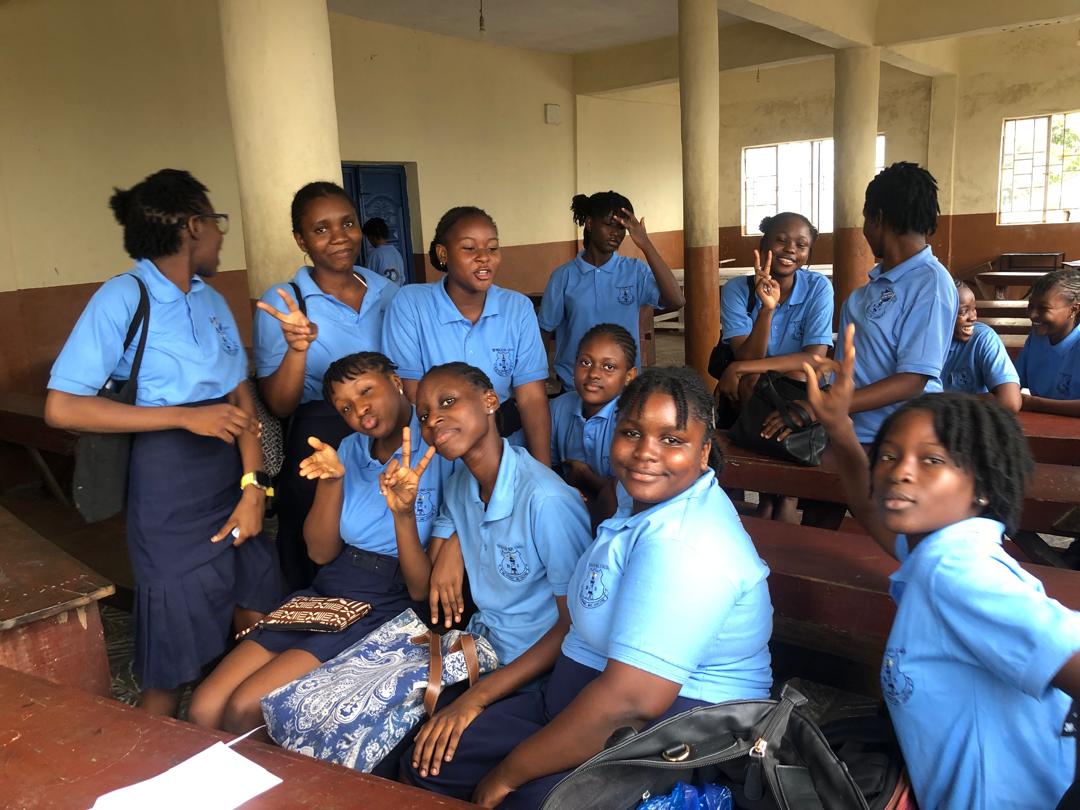
We work to ensure that schools are safe, inclusive, and protective environments for children and youth. Our interventions span student-led clubs, teacher training, school safeguarding mechanisms, and policy engagement with education authorities. We support the integration of child protection and gender-based violence prevention into education systems, strengthening both practice and policy.
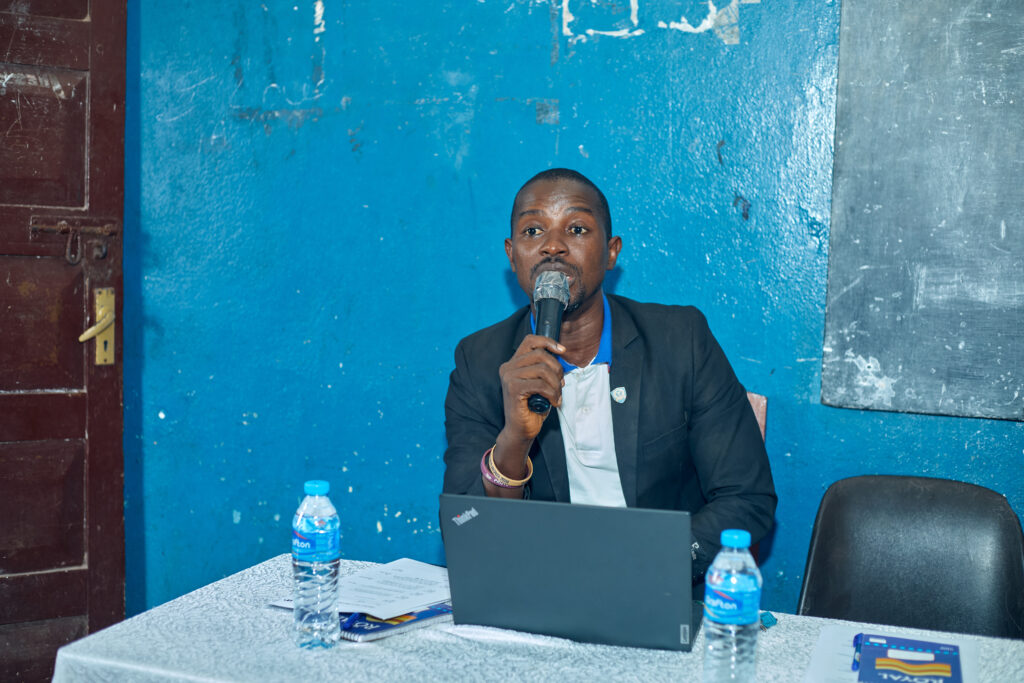
We share clear and practical legal information and help survivors connect to health services, shelters, psychosocial support, and other protection services they may need.
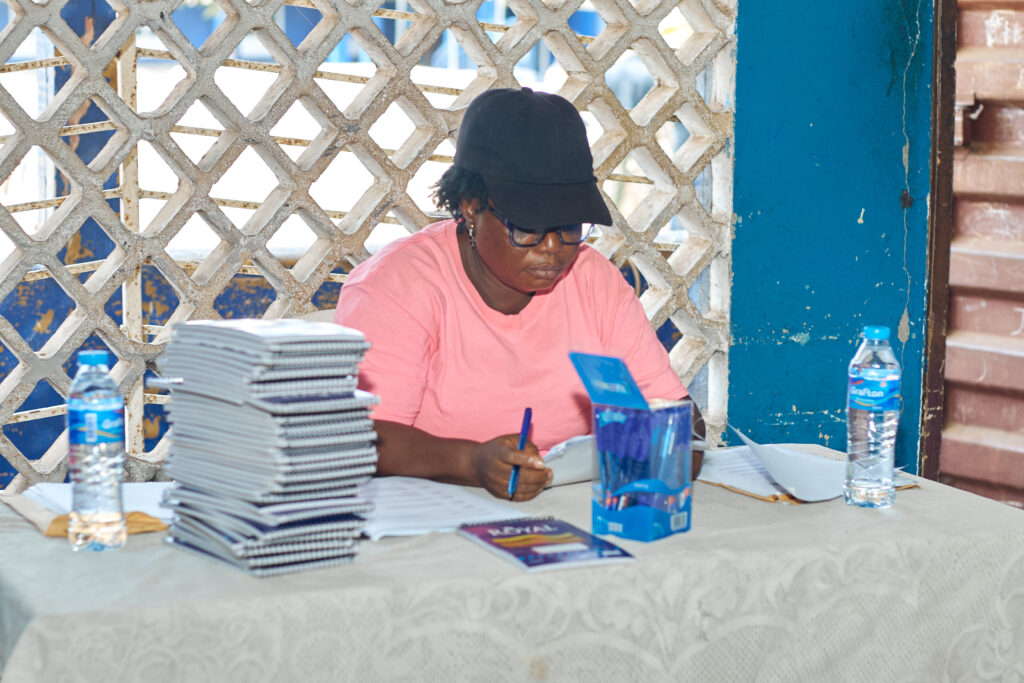
We follow and document how sexual and gender-based violence cases are handled by the police and other authorities. Our aim is to strengthen accountability, transparency, and survivor-centered responses.
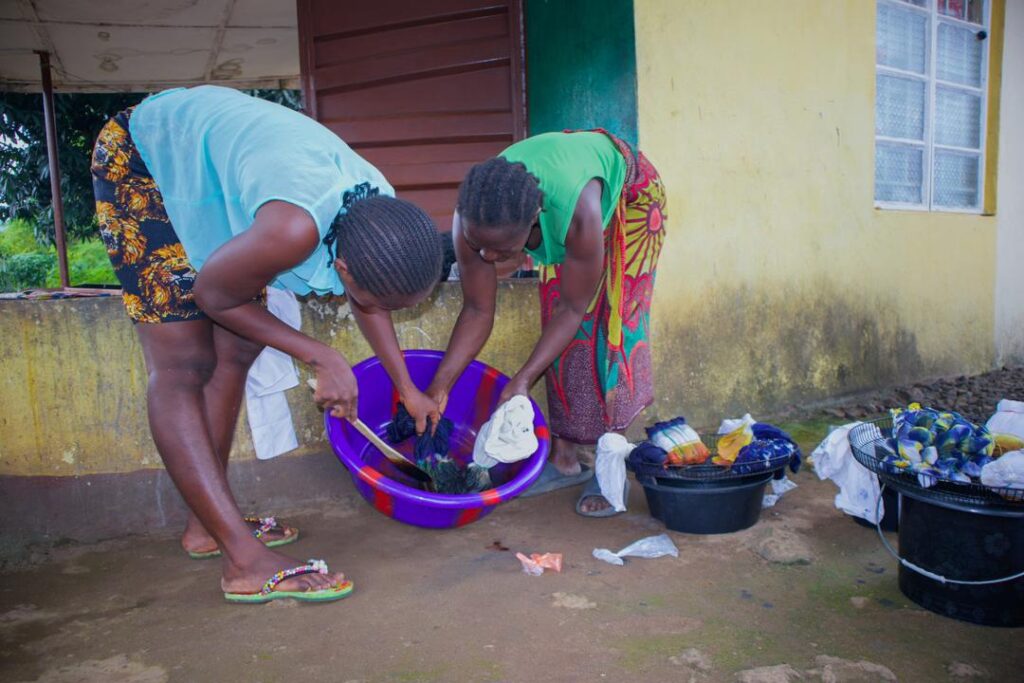
Survivors who come into contact with our work may receive one or more forms of support, depending on their needs. This may include scholarships for skills training, small business grants, and mentorship to help survivors develop sustainable income opportunities for longer-term long-term self-reliance and dignity.
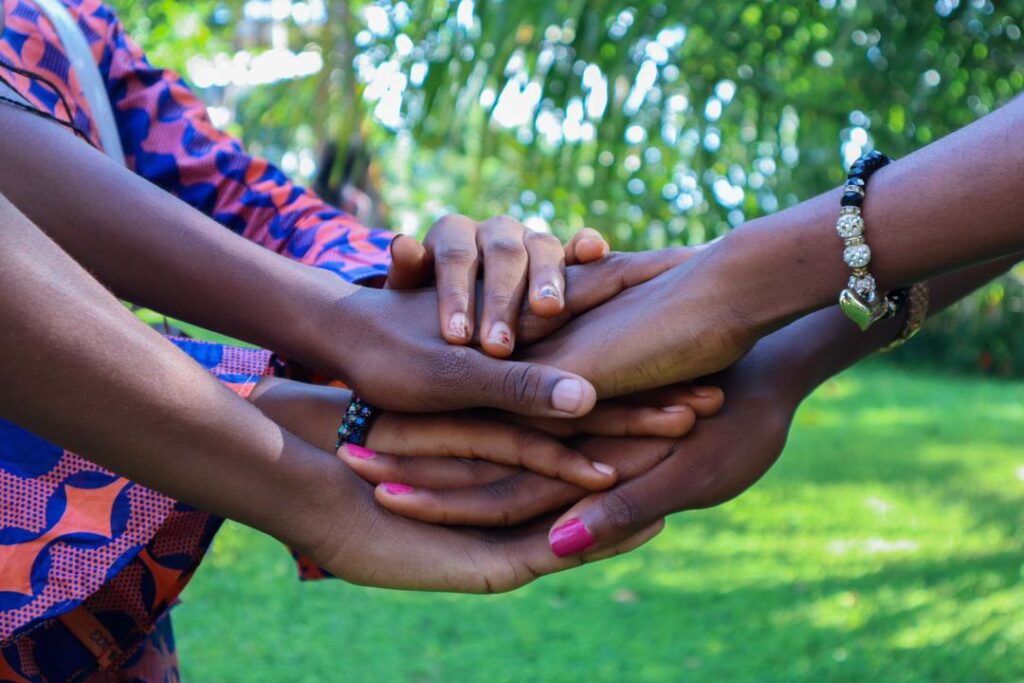
We provide short-term financial support to help survivors cover essential living costs during periods of immediate risk or transition from abusive environments.
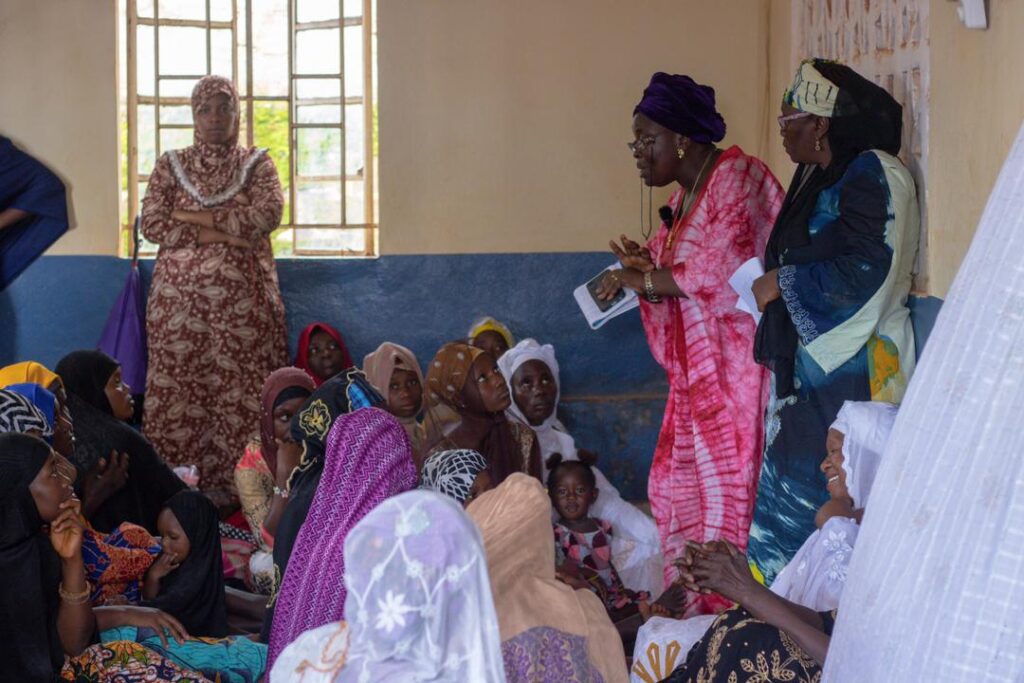
We strengthen the role of families, caregivers, and communities in protecting children and supporting survivors of violence. Through violence prevention education, awareness-raising, and capacity building, we promote safer caregiving practices and community-based protection mechanisms for children.
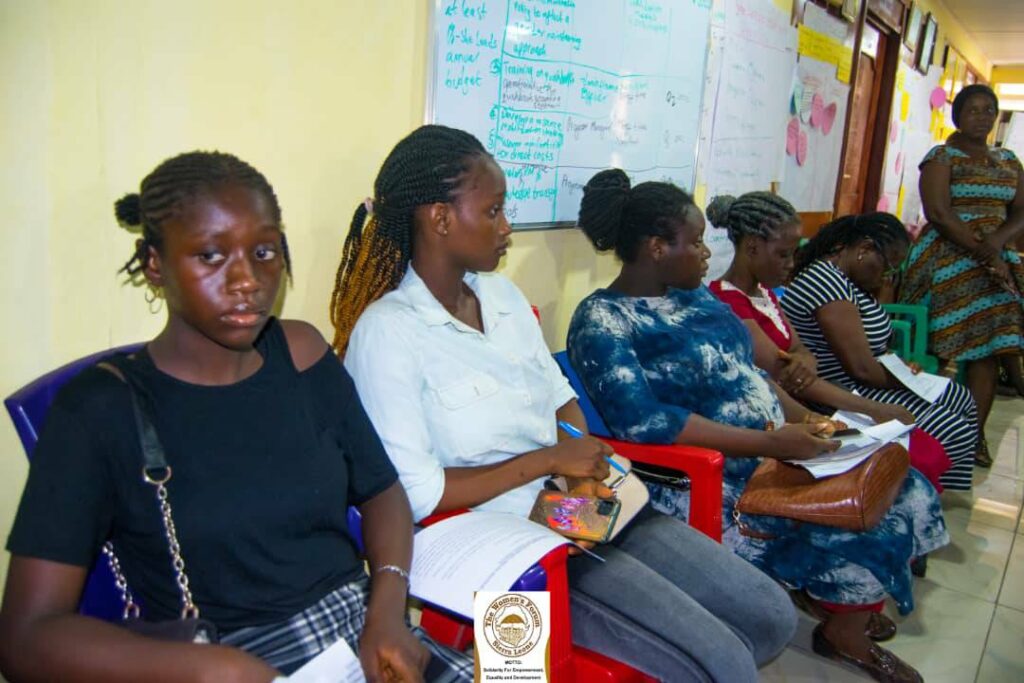
We work with churches, mosques, and faith communities to develop and adopt safeguarding systems that protect women, children from violence. Our goal is to help faith spaces become safe, trusted, and survivor centred environments.
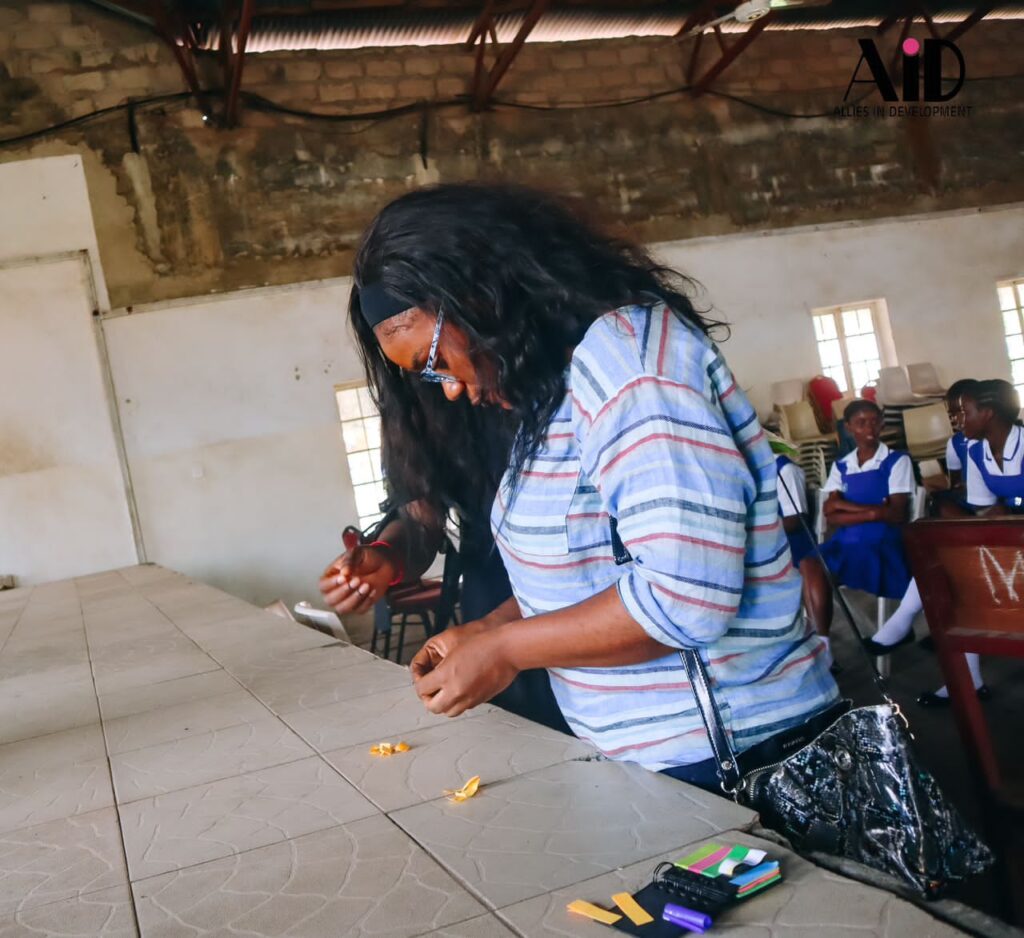
Across all our interventions, we document lessons from practice, support monitoring mechanisms, and contribute to improved accountability in violence prevention and response systems.
Share your time and talents with us. Teach a skill under the Allies in Development skills-plus program.
Are you looking for ways to support our mission?
We are inviting women and children’s rights enthusiasts to get in touch. It does not matter where you are located, we have multiple ways to engage.